Patent glazing: a tried and trusted innovation in roofing materials
Is there such a concept as 're-innovation'? In the context of innovations from the Victorian age, it's sometimes worth a reminder just how ingenious our forebears were. We certainly believe this to be the case with patent glazing.
If you’re new to patent glazing, take a moment to acquaint yourself with this historic Victorian innovation, a true product of the Industrial Age.
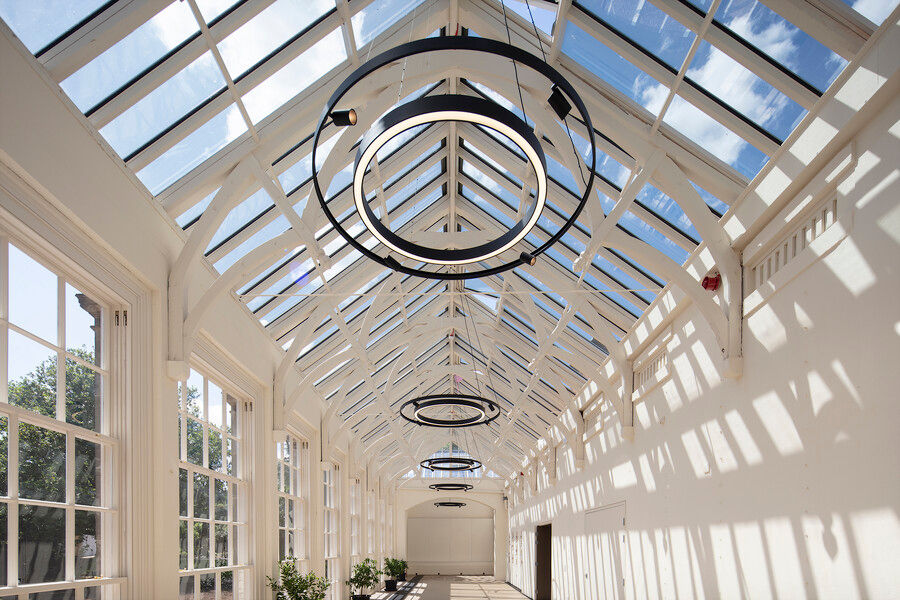
Patent glazing refers to a simple but effective glazed roofing system usually supported along two edges, which allows glazed panels to be placed between specially manufactured glazing bars. It’s a simple but still ingenious roof glazing system, highly prized for performance and value, which is used not only in traditional, heritage-rich buildings, but also in new build projects in all sectors of the economy including railway stations, shopping centres, atria, schools, canopies, conservatory roofs and northlight glazing.
Its popularity has been on the rise in recent years, particularly in modern architecture due to its advantages over other forms of roofing materials. These make it a popular choice among architects and builders.
What makes patent glazing worth considering for a construction project?
Aesthetic appeal
One of the most significant advantages of patent glazing is its aesthetic appeal. The use of glass panels allows natural light to flood the interior of a building, creating a bright and inviting space. Patent glazing is particularly useful in buildings with large roof areas, as it can provide a stunning panoramic view of the surroundings.
Energy efficiency
Another advantage of patent glazing is its energy efficiency. The use of glass panels allows natural light to enter the building, reducing the need for artificial lighting during the day. This can help to reduce energy costs and make a building more sustainable. Patent glazing can also be designed to include solar control coatings, which help to prevent heat loss and reduce the amount of solar radiation that enters the building, further reducing energy consumption.
Durability
Patent glazing is also highly durable, with glass panels that are designed to withstand a range of weather conditions, including heavy rain, snow and wind. The framing system used to hold the glass panels in place is also designed to be strong and resilient, providing a long-lasting roofing solution that requires minimal maintenance.
Noise reduction
Patent glazing can also help to reduce noise levels within a building. The use of double or triple-glazed glass panels can help to block out external noise, making a building a more comfortable and peaceful environment.
Increased property value
Finally, patent glazing can increase the value of a property. The aesthetic appeal and energy efficiency benefits of patent glazing can make a building more attractive to potential buyers or tenants, leading to higher property values and rental prices.
In summary
Patent glazing is an excellent roofing material that offers a range of benefits over other roofing systems. Its aesthetic appeal, energy efficiency, durability, noise reduction and increased property value make it an attractive option for architects and builders.