Shining a light on patent glazing
Alongside the trend for living roofs incorporating solar panels as a way of increasing energy efficiency in buildings, especially for larger spaces, there is a significant case for ensuring that the opportunities buildings provide to make best use of natural light, especially multi-purpose developments, are not missed.
Natural light is a valuable resource for any building. Not only does it provide the necessary illumination for daily activities, but it also offers a range of health benefits and energy savings.
In this article, The Standard Patent Glazing Company highlights the benefits of natural light, from an architectural, commercial and wellness point of view, and concludes that these should be remembered when considering building design holistically.
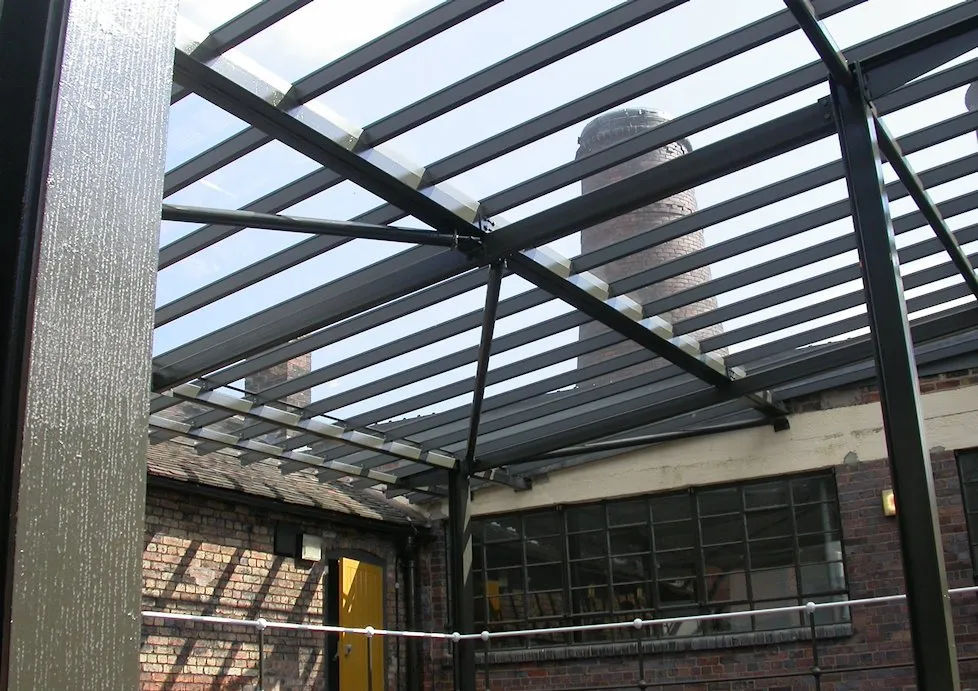
Skyline Box patent glazing installation - Roslyn Works
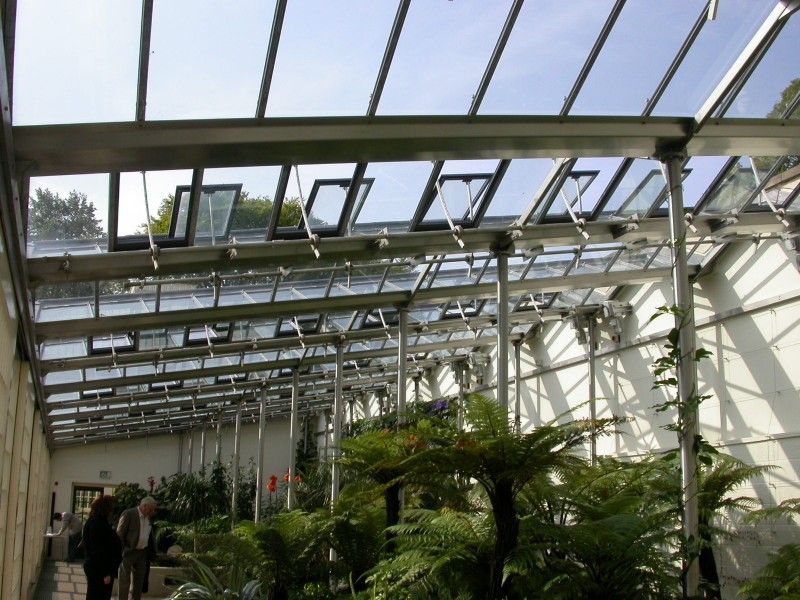
Patent glazing is a tried and tested way of achieving this end simply and economically
Where patent glazing is used to best effect in buildings is when it’s used to lift a space and tie together the different purposes of a building to help move the overall architectural achievement to a higher plane, such as the award-winning Plumstead Centre by Hawkins\Brown.
What key architectural objectives can patent glazing contribute to by maximising natural light ingress?
Improved health and wellbeing
One of the most significant benefits of natural light in buildings is the impact it has on health and wellbeing. Exposure to natural light has been shown to regulate our circadian rhythms, which helps maintain healthy sleep patterns. Studies have also linked natural light to reduced stress levels, improved mood and increased productivity. In fact, many hospitals and healthcare facilities use natural light as a form of therapy for patients.
Energy savings
Natural light can also help reduce energy costs in buildings. By allowing natural light to penetrate the space, artificial lighting can be minimised or even eliminated altogether during daylight hours. This can result in significant energy savings and lower utility bills. Additionally, natural light can help regulate temperature, reducing the need for heating and cooling systems.
Increased property value
Natural light can also increase the value of a property. Many homebuyers and renters place a high value on natural light when considering a property, and are often willing to pay more for a well-lit space. A very large number of projects undertaken help to achieve innovative uses of natural light in residential properties, especially in opening up otherwise difficult-to-use spaces such as side alleys or roof spaces. In commercial properties, natural light can also improve the aesthetic of the space, making it more appealing to potential tenants or buyers.
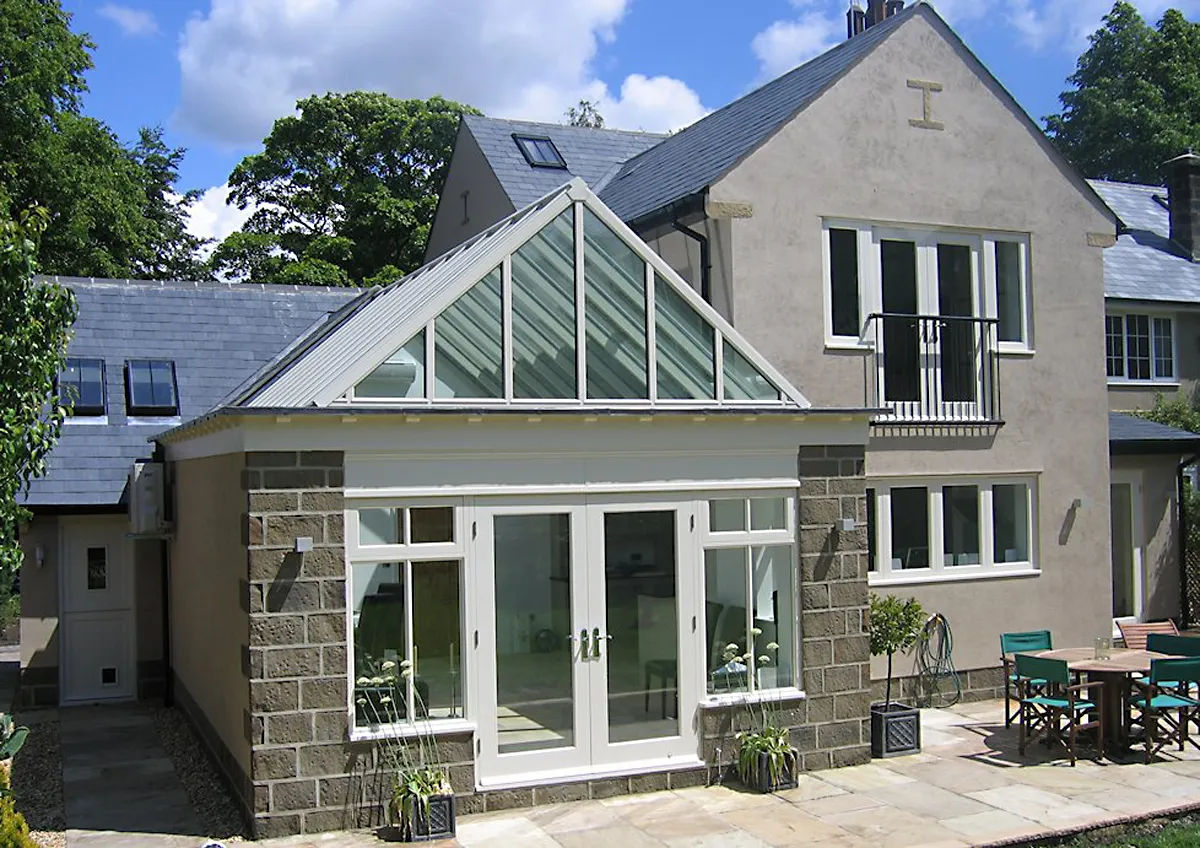
Patent glazing can add value to domestic properties
Improved sustainability
Natural light is a sustainable solution for buildings. By reducing the reliance on artificial lighting, natural light can help reduce the carbon footprint of a building. Additionally, natural light can help regulate temperature, reducing the need for energy-intensive heating and cooling systems. This can lead to a more sustainable and environmentally-friendly building.
Design flexibility
Natural light can also offer greater flexibility in building design. With natural light, architects and designers can create dynamic and interesting spaces, using natural light to highlight features and create visual interest. Additionally, natural light can be used to create different moods and atmospheres, making a space more versatile and adaptable.
Optimising natural light
As with all natural resources, however, the relative inconsistency of supply means that architects and interior designers also need to be creative about how they handle light entering the space during peaks and troughs, especially those frequently presented by the British climate.
Tips for optimising the use of natural light in buildings
Use reflective surfaces to help distribute natural light throughout the space.
Use light shelves or other devices to control and redirect natural light as needed.
Use shading devices, such as blinds or curtains, to control the amount of natural light entering the space.
Consider the orientation of the building and the location of windows to maximise natural light.
Use energy-efficient lighting as a supplement to natural light during periods of low light.
Modern patent glazing systems are designed to use a range of accessories, whether these be blinds for shading or opening roof lights for ventilation, which can go a long way towards meeting these aims.
Our opinion
Natural light offers a range of benefits for buildings, from improved health and wellbeing to energy savings and increased property value. By optimising the use of natural light, architects and designers can create sustainable, adaptable and visually interesting spaces that meet the needs of occupants. Whether it is a home, workplace, or healthcare facility, natural light is a valuable resource that should not be overlooked in building design.