In April 2023, The Institute Of Historic Building Conservation IHBC conference, sponsored by Donald Insall Associates Architects, at Chester Cathedral was a fascinating overview of the state of the debate between #heritagebuildings #building conservation and #sustainability in the #builtenvironment.
Steeped in hundreds – almost thousands – of years of history and development, as Dean of the Cathedral, Tim Stratford, pointed out when asked how long it took to build such an impressive cathedral, the reply is usually, “We’re still building it.”
This in itself points to the lively debates of the day from a number of expert speakers, including structural engineers, heritage building consultants, architects, land management specialists and sustainability consultants and shows how open the question of building sustainability in a heritage context currently is.
These are two important concepts that often come into conflict: building sustainability and building conservation. On one hand, there is a growing need to reduce the environmental impact of buildings and make them more sustainable. On the other hand, there is a desire to preserve historic buildings and maintain their character and authenticity. The flow of the discussion during the day certainly highlighted this.
Building sustainability refers to designing and constructing buildings that minimise their impact on the environment and promote #energyefficiency . This includes using #renewableenergy sources, reducing waste, and optimising the use of #naturalresources. #Sustainability also involves designing buildings that are healthy and comfortable for their occupants, with good indoor air quality and ample natural light.
By the term ‘building conservation’, on the other hand, we understand the preservation and protection of historic buildings and sites. This has recently involved maintaining the original character and features of a building, and preventing unnecessary alterations or demolition.
How do these two concepts seem at odds with each other? Building sustainability often involves making changes to existing buildings or constructing new ones with modern materials and technologies, while building conservation has at its core the preservation of the original fabric of historic buildings.
The take away from the conference, is that it’s possible to reconcile these two goals by taking a holistic approach that considers both sustainability and conservation.
For example, it is possible to retrofit historic buildings to improve their energy efficiency and reduce their environmental impact, without compromising their character or authenticity, by including more energy-efficient and yet traditional products such as the Heritage patent glazing system. This can involve adding insulation, upgrading heating and cooling systems, installing energy-efficient lighting and optimising the use of daylighting in the building.
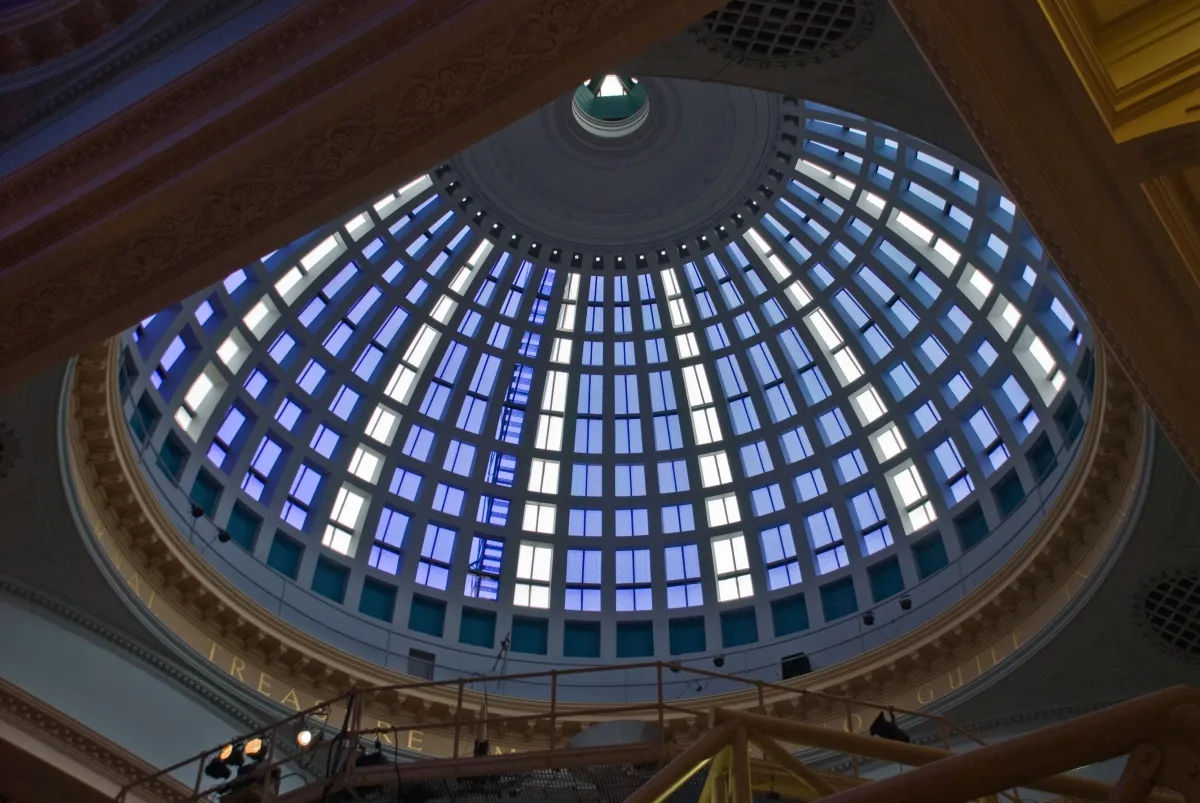
Heritage patent glazing system
Similarly, new buildings can be designed to incorporate sustainable features while also respecting the local context and architectural heritage. This might involve using traditional materials and construction techniques, or designing buildings that fit in with the surrounding landscape or urban fabric.
Perhaps a key challenge – without considering the malfunctioning of the English planning system from this point of view - in reconciling building sustainability and conservation is that there is often a tension between short-term and long-term goals. Building conservation often prioritises the preservation of historic buildings in their current state, while building sustainability requires a more forward-looking approach that considers the long-term environmental impact of buildings.
However, the main message is that by taking a collaborative and interdisciplinary approach, it is possible to find solutions that balance these competing goals. This might involve extending project teams to include a more inter-disciplinary collective, working with architects, engineers, historians and conservation experts to develop strategies that promote sustainability while also respecting the character and authenticity of historic buildings.
As Claire Hedley, Heal of Climate Change at Historic England pointed out, we do indeed have all of the tools to resolve the tension. By taking a holistic and collaborative approach, it is eminently possible to find solutions that balance these competing goals and promote a more sustainable and authentic built environment.