In the UK, the supply chain for roof glazing involves a number of different stages, including:
Design: working with architects, engineers and other professionals to determine the specifications and requirements for the roof glazing system.
Manufacturing: producing the various components of the roof glazing system, including glass panels, frames and hardware.
Distribution: delivering the system and its components to the construction site.
Installation: assembling and installing the various components of the roof glazing system, including the glass panels, frames and associated hardware.
Maintenance: ongoing upkeep and repair of the roof glazing system to ensure that it remains functional and effective (and is often somewhat overlooked as it can involve embedded new procedures and behavioural changes with building owners and users).
This is relatively fragmented as a supply chain, involving a range of different suppliers and manufacturers who produce and distribute the various components of the systems suppled, such as glass panels, frames, hardware and other components.
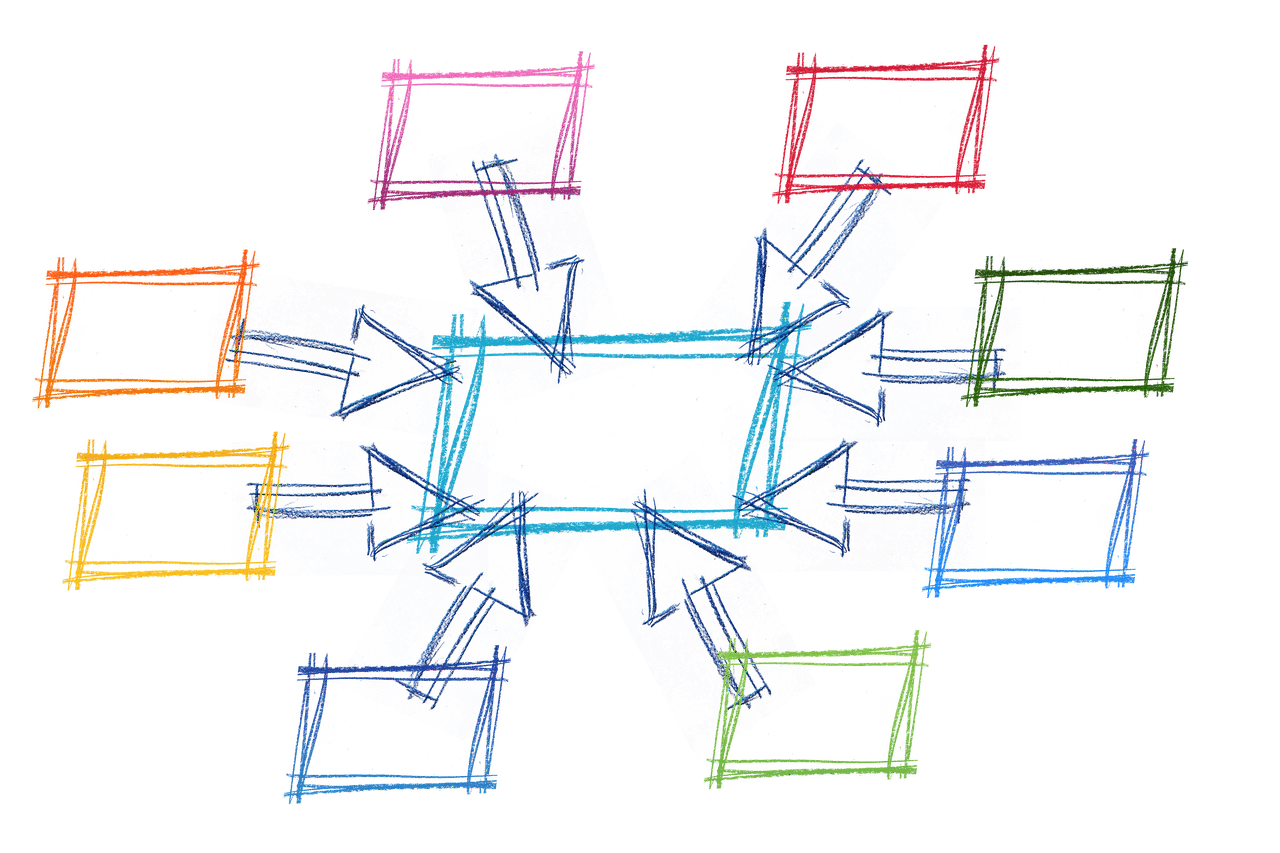
Diagram of a network by Gerd Altmann from Pixabay
The roof glazing industry itself is well-established and peppered with a number of reputable players, working within a highly regulated UK construction industry. These companies have a track record of working closely with architects, engineers and other professionals to ensure that the design and specifications of the roof glazing system meet the needs of the project.
However, fragmentation of the supply chain in the roof glazing industry can cause several significant issues for clients. These issues arise from factors such as the size and complexity of the project, location of suppliers and manufacturers, and the level of coordination and communication between the different parties involved.
In general, larger and more complex projects may require more coordination and may be more challenging to manage, while smaller and simpler projects may be easier to manage and execute. It is important for all parties involved in the supply chain to work together closely to ensure that the project is completed on time, within budget and to the desired level of quality. Naturally, the more complex the job, the greater the risk and the more significant and costly when communication issues throughout the supply chain occur.
Some of these supply chain issues can manifest themselves in terms of:
Quality control: with multiple suppliers involved in the supply chain, it can be difficult to ensure consistent quality across all components. This can lead to variations in product performance, aesthetics and durability.
Communication breakdown: with different suppliers responsible for different parts of the project, there is a risk of miscommunication and lack of coordination. This can lead to delays, mistakes and increased costs.
Lack of accountability: when multiple suppliers are involved, it can be difficult to assign responsibility for any issues that arise. This can make it challenging to resolve disputes and hold suppliers accountable for their work.
Limited customisation: it may be more difficult to customise products to meet specific project requirements. This can result in a limited range of options for clients and may impact the overall design of the project.
Increased complexity: a fragmented supply chain can add complexity to the project management process. This can make it more challenging for clients to oversee the project and ensure that it is progressing as planned.
Overall, the effectiveness of the supply chain for roof glazing depends on how well each of these stages is executed and how effectively the different parties involved are able to co-ordinate and communicate with one another. To minimise these risks, it’s important to work with suppliers who have a strong track record of quality and reliability and who are able to effectively co-ordinate with other parties involved in the project.
Part of the Standard Patent Glazing Company’s offer involves working closely with architects, contractors and clients as part of the team, taking end-to-end responsibility for roof glazing from design to installation and warranty, which naturally mitigates the risks outlined above by applying our internal quality management, communication and decision making processes to the roof glazing solution, which we recognise as a vital aspect of the construction project.
With a track record that goes back to the early days of patent glazing in 1902, and with decades of experience drawn from an impressive back catalogue of high-profile large projects, we are justly proud of our capability and continue raising the standard for patent glazing in the 21st century.