
Our new series entitled ‘From Zinc to RHEINZINK’ begins with a small introduction to the all-rounder, zinc, as this trace element is not just good for our health. Zinc surrounds us everywhere in everyday life, and has been used as a building material for more than two centuries. Here, you can find out which processing options are available, how energy-efficient and sustainable the material is, and so much more.
All-rounder zinc
As a trace element, zinc is essential for human health; growth and wound-healing are positively influenced, too. Above, all, zinc is well-known for its role in our immune system, and the corresponding preparations are very popular, especially during the cold season. Moreover, zinc surrounds us everywhere in everyday life; from pressure-casting in fittings, and components in automobile construction, to hot-dip galvanised railings, to guttering, façade cladding or roofing, such as is manufactured at RHEINZINK.
Part 1 - The material
Zinc has been used in construction for more than 200 years – titanium zinc is the modern version of this naturally-occurring metal. RHEINZINK is an alloy which consists of fine zinc and minimal quantities of titanium and copper. The fine zinc and titanium are sourced from a variety of countries of origin, such as Scandinavia, Spain, Belgium and Germany – rarely though from Mexico or Peru. Copper, as a recycling material, comes in the form of broken scrap for processing. The alloy additives are important for the patina colour and the special material-technological properties.
The alloy composition gives the materials not just the necessary strength, but the products can easily be shaped, too. These processing possibilities allow complicated details to be mastered and the realisation of any roof shapes. RHEINZINK titanium zinc, whether as cladding for a dormer, gable, balcony or chimney, represents an upgrade for the entire building due to its appealing and sophisticated appearance. Roof edges, porches and wall coverings shine in new splendour thanks to this noble material.
Sustainable
Nearly 100% of the titanium zinc used can be recycled with very little energy use and without any environmentally-harmful residues. The protective patina, which forms on the zinc surface over time, ensures a tremendously long life expectancy. Numerous historical buildings show that zinc roofs are completely intact, even after 200 years, and this without any notable maintenance effort. Furthermore, every RHEINZINK product already consists of 30% secondary material.
Part 2 - Pre-alloying
The production
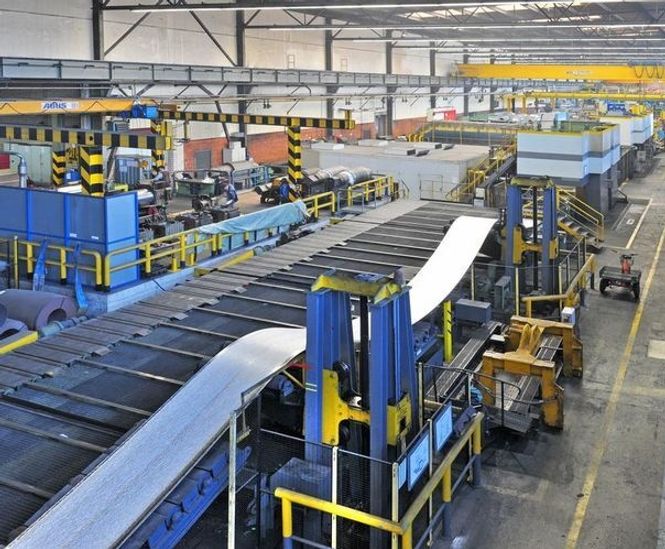
The manufacturing process of RHEINZINK titanium zinc consists of several steps, which are carried out in the production at the Datteln plant. We take a look at the pre-alloying areas, the melting-casting-rolling line, the pre-weathering plant and then end with further processing. The first step is the pre-alloying.
Pre-alloying
The pre-alloying product area may only be accessed by skilled workers with precise instructions and special protective equipment as, in the truest sense of the word, it gets hot here! At a temperature of nearly 800°C, so-called pre-alloy ingots are produced from fine zinc, titanium and copper in a crucible induction furnace (capacity 2t). These ingots contain many times the titanium and copper content of the later rolled alloy.
It's getting hot!
What exactly is pre-alloying? This refers to...
Click VISIT SUPPLIER WEBSITE below for more details.